 Image 1 of 3
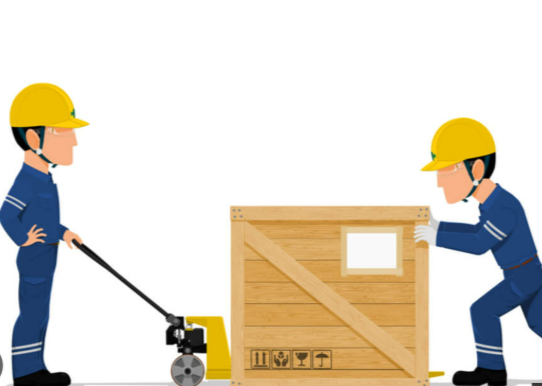 Image 2 of 3
 Image 3 of 3
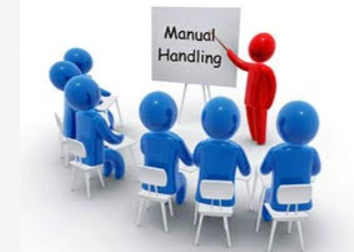
A Manual Handling Train-the-Trainer (MH-TT) course equips experienced workers, supervisors, and safety officers to teach safe lifting and moving techniques inside their own workplace. Programs typically last 2 to 5 days and combine workplace ergonomics with practical instructional coaching depending on the needs and number of participants.
Core Course Curriculum
Legislation and Compliance. Covers employer and employee safety duties, workplace regulations, and the financial or physical impact of musculoskeletal disorders.
Review of relevant News and Research on manual Handling
Relevant Anatomy and Ergonomics. Examines spine mechanics, common back injuries, posture, and physical fitness for safe lifting.
Risk Assessment Frameworks. Teaches how to evaluate hazards using models like TILE (Task, Individual, Load, Environment)
Practical Lifting Techniques. Covers safe lifting, carrying, pushing, pulling, team handling, and using mechanical aids like trolleys or hoists.
Instructional Skills. Trains candidates on lesson planning, group presentation, demonstrating techniques, and assessing trainees.
Entry Requirements & Assessment
Physical Capability. Candidates must be physically fit enough to demonstrate safe lifting and moving techniques repeatedly.
Prerequisites. A minimum age of 18 and basic workplace health and safety awareness.
Certification Renewal. Trainer certificates usually require a refresher course every 2 to 3 years to stay aligned with updated safety guidelines.
Based on the ISO 1128-1/2 and ILO Ergonomic Checkpoints 1-1
Duration: 2-3 days
Method: Face-To-Face
Cost: $390.00