 Image 1 of 3
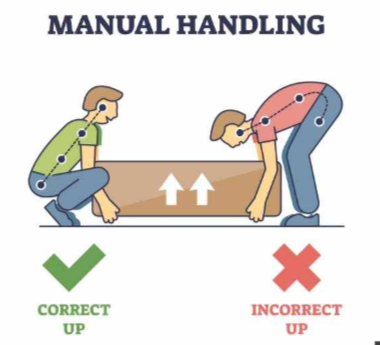 Image 2 of 3
 Image 3 of 3
Manual handling training (MHT) teaches workers how to lift, carry, push, pull, and move loads safely to prevent musculoskeletal injuries. Effective programs combine legal compliance, risk assessment, and hands-on physical techniques tailored to specific workplace tasks. MHT is tailor-made to the type tasks carried, which vary according to the type of organisation.
Core Topics Covered
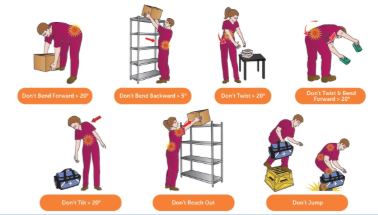
Risk Factors and Injury Prevention. Trainees learn how poor posture and repetitive strain damage the spine and joints, and how to spot workplace hazards before moving an item.
Safe Lifting Techniques. Courses demonstrate proper body mechanics, including keeping the back straight, bending the knees, maintaining a firm palm grip, and keeping the load close to the body.
Risk Assessment. Workers learn to evaluate the task, individual capability, load weight, and surrounding environment before starting a lift.
Use of Mechanical Aids. Training covers when and how to operate equipment such as trolleys, sack trucks, pallet trucks, and hoists to reduce physical strain.
Team Handling. For heavy or awkward items, workers practice clear communication and coordinated movements with a partner.
Legal Responsibilities. Programs outline workplace health and safety regulations alongside the duties of both employers and employees.
The MHT principles are based on ISO 1128-1/2 and ILO Ergonomic Checkpoints 1-17.
Duration: 60 minutes
Method: Face-To-Face
Price: $50 per participant. Discounts available !!
Class: A maximum of 20 participants